A patient looking for a doctor, dentist, or specialist will often start with a Google search. They may compare nearby practices, read patient reviews, check treatment information, and visit a few websites before deciding whom to contact. If your healthcare practice does not appear in those searches, you could be missing opportunities to connect with potential patients.
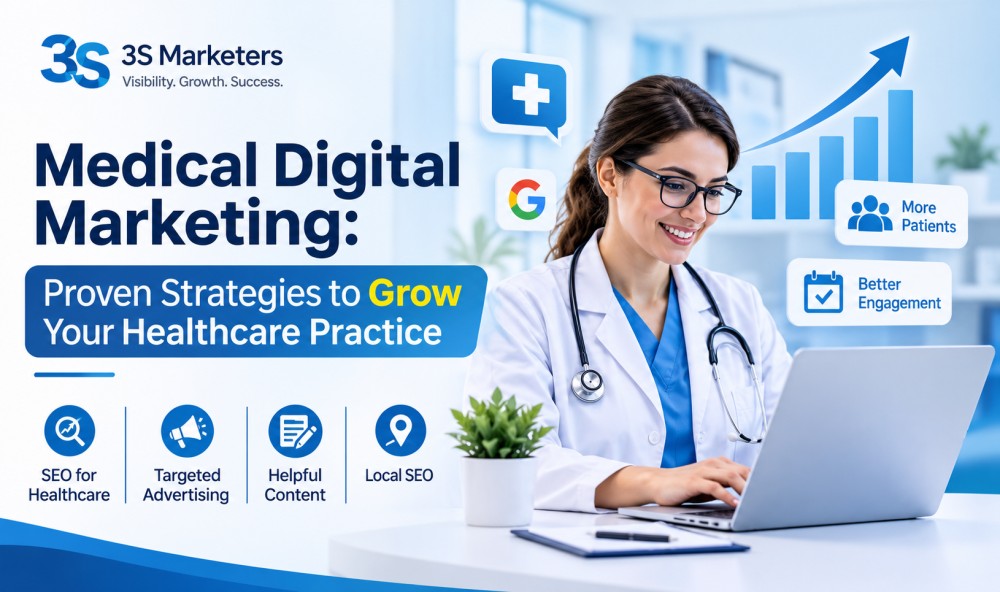
Medical digital marketing helps healthcare providers improve their online visibility, build patient trust, and attract more appointment inquiries. By combining healthcare SEO, local search optimization, helpful website content, social media marketing, and paid advertising, medical practices can reach people who are actively looking for healthcare services.
At 3S Marketers, we help businesses strengthen their online presence through practical digital marketing strategies. The same principles can help doctors, clinics, and healthcare organizations attract relevant traffic and turn website visitors into potential patients.
Why Medical Digital Marketing Matters for Healthcare Practices
Patients have more ways to research healthcare providers than ever before. Before scheduling an appointment, they often look for information about a doctor’s qualifications, available treatments, clinic location, patient experiences, and appointment options.
A strong online presence makes this information easier to find.
Here are some important benefits of investing in healthcare digital marketing:
- Improved online visibility: Help your practice appear in relevant Google searches.
- More appointment inquiries: Connect with patients actively searching for your services.
- Stronger patient trust: Share useful medical information, professional credentials, and genuine patient feedback.
- Local patient acquisition: Reach people searching for doctors and healthcare services in your service area.
- Measurable marketing performance: Track website traffic, phone calls, appointment requests, and advertising results.
Unlike traditional advertising, digital channels also allow healthcare providers to measure which marketing activities generate meaningful engagement.
8 Proven Medical Digital Marketing Strategies to Grow Your Practice
A successful medical practice marketing plan should focus on patient needs, search visibility, and a convenient online experience. The following strategies can help healthcare providers build a consistent source of patient inquiries.
1. Invest in Medical Practice SEO
Search engine optimization (SEO) is one of the most effective long-term ways to attract patients through organic search.
When someone searches for terms such as “family doctor near me,” “best dermatologist in Chicago,” or “cardiologist accepting new patients,” your website needs relevant content and strong search visibility to compete.
Effective medical practice SEO includes:
- Conducting keyword research based on medical specialties and treatment services.
- Optimizing service pages with relevant search terms.
- Writing informative titles and meta descriptions.
- Improving website speed and mobile usability.
- Fixing broken links, indexing problems, and technical SEO issues.
- Building relevant, trustworthy backlinks.
- Creating useful internal links between related pages.
For example, a dermatology clinic could create individual pages for acne treatment, skin cancer screening, and eczema treatment rather than listing every service on one general page.
A well-organized website helps search engines understand your services and makes it easier for patients to find relevant information.
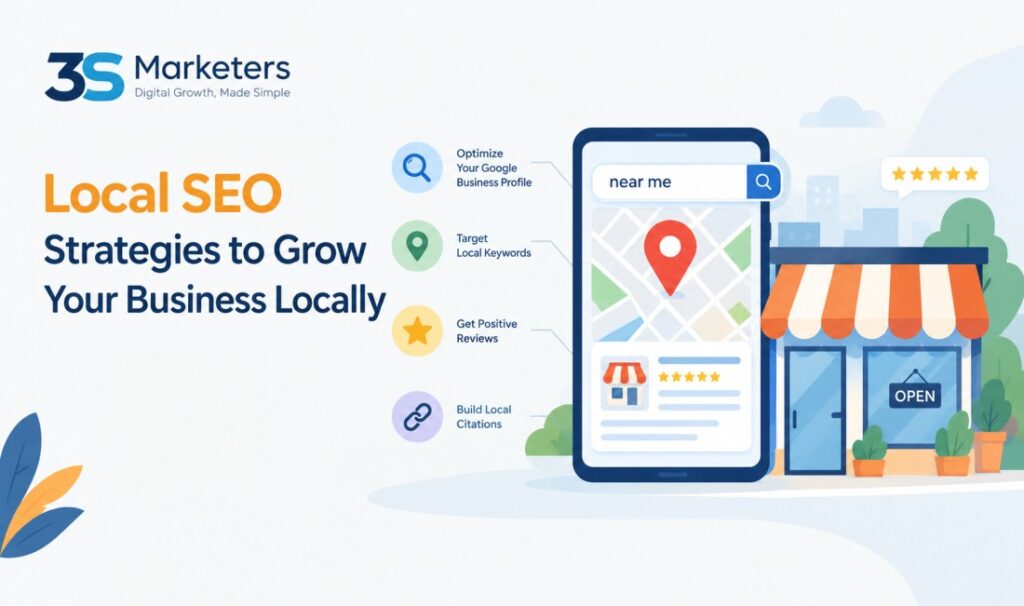
2. Optimize Your Google Business Profile
Local search is particularly important for medical practices because many patients prefer healthcare providers located near their homes or workplaces.
A properly optimized Google Business Profile can help your practice appear in Google Maps and local search results.
Start with these improvements:
- Use the correct practice name, address, and phone number.
- Select the most relevant primary and secondary business categories.
- Add accurate business hours and appointment information.
- Upload professional photos of your clinic and facilities.
- Include a link to your website and appointment page.
- Respond professionally to patient reviews.
- Keep your practice information updated.
For instance, a patient searching for “pediatrician near me” may compare several local clinics before choosing one.
An accurate and complete profile makes it easier for potential patients to evaluate your practice and contact your office.
3. Create Helpful Healthcare Website Content
Patients frequently search online for information about symptoms, medical conditions, treatment options, and preventive care.
Publishing useful content gives your practice an opportunity to answer these questions while demonstrating professional knowledge.
Consider creating:
- Medical condition and treatment guides.
- Frequently asked patient questions.
- Preventive healthcare tips.
- Doctor and specialist profiles.
- Treatment comparison articles.
- Educational videos and health awareness resources.
For example, a cardiology practice could publish articles about high blood pressure, heart disease prevention, cholesterol management, and when to consult a cardiologist.
Focus on medically accurate information reviewed by qualified healthcare professionals. Avoid making unsupported treatment claims or promising specific medical outcomes.
Consistent content creation supports healthcare SEO services by expanding the number of relevant topics your website can address.
4. Improve Your Website for Patient Conversions
Getting visitors to your website is only one part of digital marketing. Your website should also make it simple for patients to take the next step.
A confusing website, outdated contact details, or difficult appointment process can discourage potential patients from reaching out.
Make sure your website includes:
- Clear information about medical services.
- Doctor biographies and professional qualifications.
- Clinic location and contact details.
- Easy-to-find appointment booking options.
- Mobile-friendly navigation.
- Fast-loading pages.
- Frequently asked questions.
- Clear calls to action, such as “Book an Appointment” or “Contact Our Clinic.”
A well-designed healthcare website should answer the most important patient questions without making visitors search through multiple pages.
Also, use secure forms and appropriate privacy safeguards when collecting patient information.
5. Use Social Media to Build Patient Engagement
Social media provides healthcare practices with another way to communicate with existing and potential patients.
Platforms such as Facebook, Instagram, LinkedIn, and YouTube can support patient education, brand awareness, and community engagement.
Some useful content ideas include:
- General health and wellness tips.
- Seasonal health awareness campaigns.
- Introductions to doctors and healthcare staff.
- Explanations of common medical procedures.
- Clinic announcements and updates.
- Educational videos from qualified professionals.
For example, a dental clinic could share posts about oral hygiene, routine dental checkups, gum health, and preventive dental care.
Keep medical information accurate and avoid sharing patient photographs, testimonials, or treatment details without appropriate authorization.
6. Build Trust Through Patient Reviews and Reputation Management
Patient reviews can influence how people evaluate a healthcare provider before making an appointment.
Positive, genuine feedback can strengthen your practice’s online reputation. However, managing reviews requires consistency and professionalism.
Consider these steps:
- Invite patients to share honest feedback without pressuring them.
- Make the review process simple and convenient.
- Monitor reviews across relevant platforms.
- Respond professionally to feedback.
- Address recurring service concerns internally.
Healthcare providers must be especially careful when responding publicly. Avoid confirming someone’s patient status or discussing private medical information, even when replying to a negative review.
A professional reputation management strategy helps establish credibility while respecting patient privacy.
7. Run Targeted Google Ads Campaigns
SEO can take time to produce consistent organic visibility. Google Ads can help medical practices reach people searching for specific healthcare services while organic rankings develop.
For example, a clinic may target searches related to:
- Urgent care services in its location.
- Orthopedic consultations.
- Dental implants.
- Skin treatment services.
- Pediatric healthcare appointments.
For better campaign performance, create separate ad groups for different services and direct visitors to relevant landing pages.
Monitor important metrics such as cost per lead, phone inquiries, appointment requests, and conversion rates.
Healthcare advertising is subject to platform policies and applicable healthcare advertising regulations. Review these requirements before launching campaigns, particularly when advertising sensitive health-related services.
8. Optimize Your Practice for AI Search and Google AI Overviews
Patients are increasingly using AI-powered search experiences to research healthcare providers and understand medical topics.
Google AI Overviews and other AI search tools may summarize information from multiple sources when answering patient questions.
Although no marketing agency can guarantee placement in AI-generated answers, healthcare practices can improve the quality and accessibility of their online information.
Focus on:
- Publishing accurate, original, medically reviewed content.
- Providing clear answers to common healthcare questions.
- Maintaining consistent business information across trusted directories.
- Demonstrating medical expertise through qualified author profiles.
- Using structured data where appropriate.
- Building a technically sound, crawlable website.
- Earning relevant mentions and links from reputable sources.
These practices support traditional SEO while helping search systems better understand your healthcare services and expertise.
How to Measure Your Medical Digital Marketing Performance
A marketing strategy should be evaluated using measurable business outcomes, not just website traffic or social media followers.
Healthcare practices should monitor the following metrics:
| Performance Metric | What It Measures |
|---|---|
| Organic traffic | Visitors coming from unpaid search results |
| Keyword rankings | Search visibility for relevant healthcare terms |
| Google Business Profile activity | Calls, website clicks, and direction requests |
| Conversion rate | Percentage of visitors completing desired actions |
| Cost per lead | Marketing cost for each qualified inquiry |
| Appointment inquiries | Potential patients contacting your practice |
| Website engagement | How visitors interact with important pages |
Google Analytics 4 and Google Search Console can help monitor website performance. However, healthcare organizations should configure analytics and tracking carefully to avoid collecting or disclosing protected health information.
Review performance monthly and use the findings to improve your SEO, website content, advertising, and conversion process.
Common Medical Digital Marketing Mistakes to Avoid
Even healthcare practices investing in online promotion can struggle when their marketing activities lack direction.
Watch out for these common mistakes:
- Ignoring local SEO: Missing or outdated business information can reduce local visibility.
- Using generic website content: Every medical specialty and service needs relevant information.
- Neglecting mobile users: Patients should be able to navigate your website easily on smartphones.
- Buying low-quality backlinks: Irrelevant links can undermine your website’s search quality.
- Ignoring patient reviews: Unanswered feedback can create a poor impression.
- Publishing unverified medical information: Inaccurate health content can damage credibility and patient trust.
- Tracking traffic instead of inquiries: More visitors do not necessarily mean more appointments.
A consistent strategy that prioritizes patient needs and measurable results is more valuable than using every available marketing channel without a clear objective.
Grow Your Healthcare Practice with 3S Marketers
Building a successful healthcare brand requires more than having a professional website. Patients need to find your practice, understand your services, and feel confident about contacting your team.
At 3S Marketers, we help businesses improve their online visibility through SEO, content marketing, technical website optimization, local SEO, and digital marketing strategies.
Our approach focuses on understanding your business goals, identifying opportunities, and developing a practical marketing plan based on your target audience.
Whether you operate a private medical practice, specialist clinic, or healthcare organization, the right digital marketing strategy can help you reach relevant audiences and build a stronger online presence.
Looking to improve your healthcare practice’s online visibility? Contact 3S Marketers to discuss your website, SEO opportunities, and digital marketing goals.
Frequently Asked Questions About Medical Digital Marketing
Why is digital marketing important for medical practices?
Digital marketing helps medical practices become more visible in online searches, connect with potential patients, build credibility, and generate appointment inquiries. It also provides measurable data to evaluate marketing performance.
How does SEO help doctors attract more patients?
SEO improves a doctor's website visibility for relevant searches. By optimizing service pages, publishing useful medical content, and improving local search presence, doctors can reach people looking for their specialties and services.
How much does medical digital marketing cost?
The cost depends on the practice's location, competition, marketing objectives, and selected services. A small clinic may begin with local SEO and website improvements, while larger healthcare organizations may require comprehensive SEO, content marketing, and paid advertising campaigns.
How long does medical SEO take to show results?
SEO timelines vary depending on website condition, competition, location, and the amount of optimization required. Some improvements may produce early gains within a few months, while building strong organic visibility often requires six to twelve months or longer.
What is the difference between healthcare SEO and medical digital marketing?
Healthcare SEO focuses specifically on improving organic search visibility through technical optimization, content, keywords, and backlinks. Medical digital marketing is broader and also includes paid advertising, social media, reputation management, and other online promotional activities.
Can small medical practices compete with larger healthcare organizations online?
Yes. Smaller practices can compete by focusing on local SEO, specific medical specialties, relevant service pages, useful educational content, and genuine patient reviews. Targeting specific geographic areas and services can help smaller clinics reach relevant audiences.
How can I choose the right medical digital marketing agency?
Look for an agency with experience in SEO, local search, healthcare content, website optimization, and performance reporting. Ask about its strategy, deliverables, communication process, and approach to healthcare advertising policies and patient privacy before starting a partnership.